Published: June 27, 2025
Why Septic Testing Matters For Canadian Homes: What Homeowners Should Know
When it comes to home maintenance, homeowners often prioritize visible systems, such as plumbing, electrical, and roofing. But there’s one essential system that’s frequently overlooked—your septic system. For properties not connected to municipal sewers, regular testing is crucial to maintaining a safe, healthy, and fully functional home.
Whether you live in a rural area or own a seasonal cottage, maintaining your septic system isn’t optional—it’s an investment in your home’s long-term health.
Why Septic Testing Is Essential
1. Avoid Expensive Repairs
Septic issues don’t always show visible signs until they become severe and costly. Small leaks or clogs can quickly escalate into system failures requiring thousands of dollars in repairs or even full replacement. Routine testing can identify minor issues early, allowing you to take action before they worsen.
2. Preserve Property Value
A faulty or aging septic system can significantly lower your home’s resale value. If you’re planning to sell, a failed test can delay the closing or deter potential buyers. Regular maintenance and inspections ensure your system meets standards, providing confidence to future homeowners.
3. Protect Your Family’s Health
An untreated septic failure can expose your home to raw sewage, which may contaminate your soil and drinking water. This creates a hazardous environment, especially for families with children or pets. Testing helps ensure your system is operating safely, reducing the risk of exposure to harmful bacteria, viruses, and toxins.
4. Comply With Local Regulations
Many provinces, including Ontario and British Columbia, have regulations for systems, especially for properties near lakes or watercourses. Regular testing ensures compliance, helps you avoid fines, and demonstrates environmental responsibility.
5. Extend The Life Of Your Septic System
With regular inspections, you can detect problems like sludge buildup, drainage issues, or root intrusion before they cause irreversible damage. Preventive testing helps prolong the system’s lifespan and reduces the need for premature replacements.
What Does A Septic Test Include?
A professional system inspection involves several key steps:
- Visual Assessment: The technician checks for pooling water, foul odours, and signs of surface damage near the tank and drainage field.
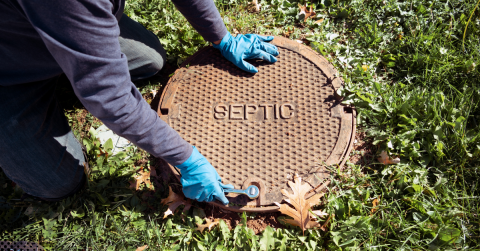
- Tank Evaluation: The tank is opened and checked for structural cracks, excessive sludge, or signs of corrosion.
- Drain Field Check: The drain or leaching field is inspected for proper drainage and saturation levels.
- Flow Testing: Water is introduced into the system to assess how efficiently it flows and absorbs into the ground.
Afterward, you’ll receive a detailed report with findings and maintenance recommendations.
How Often Should You Test Your Septic System?
Most experts recommend a full inspection every 1 to 3 years, depending on the age, size, and usage of the system. Homes with larger families, frequent guests, or high water usage may require more frequent testing.
Warning Signs That Need Immediate Attention
Call for testing right away if you notice:
- Foul odours near the tank or field
- Slow drains in sinks or bathtubs
- Gurgling noises from toilets or pipes
- Pooling water in your yard near the septic area
- Sewage backups in your home
These are signs that your system may be close to failure—or already failing.
Trust A Certified Septic Inspection Professional
Septic systems are complex and require the right expertise. Hiring a certified professional ensures the inspection is done using the latest tools, accurate diagnostics, and safe procedures.
Schedule Your Septic Test Today
Don’t wait for a backup or costly emergency. Protect your home, health, and investment with professional septic testing in Ontario and surrounding areas. Our certified team at AmeriSpec of Barrie, Collingwood, and Muskoka provides reliable and thorough inspections for homeowners who want peace of mind.
📞 Call (705) 722-5876 to book your inspection today and keep your septic system working at its best.